
Lighter on the sea.
Sustainability at Veritas is not a department. It is built into the ships we order, the way we sail them and the people we train.
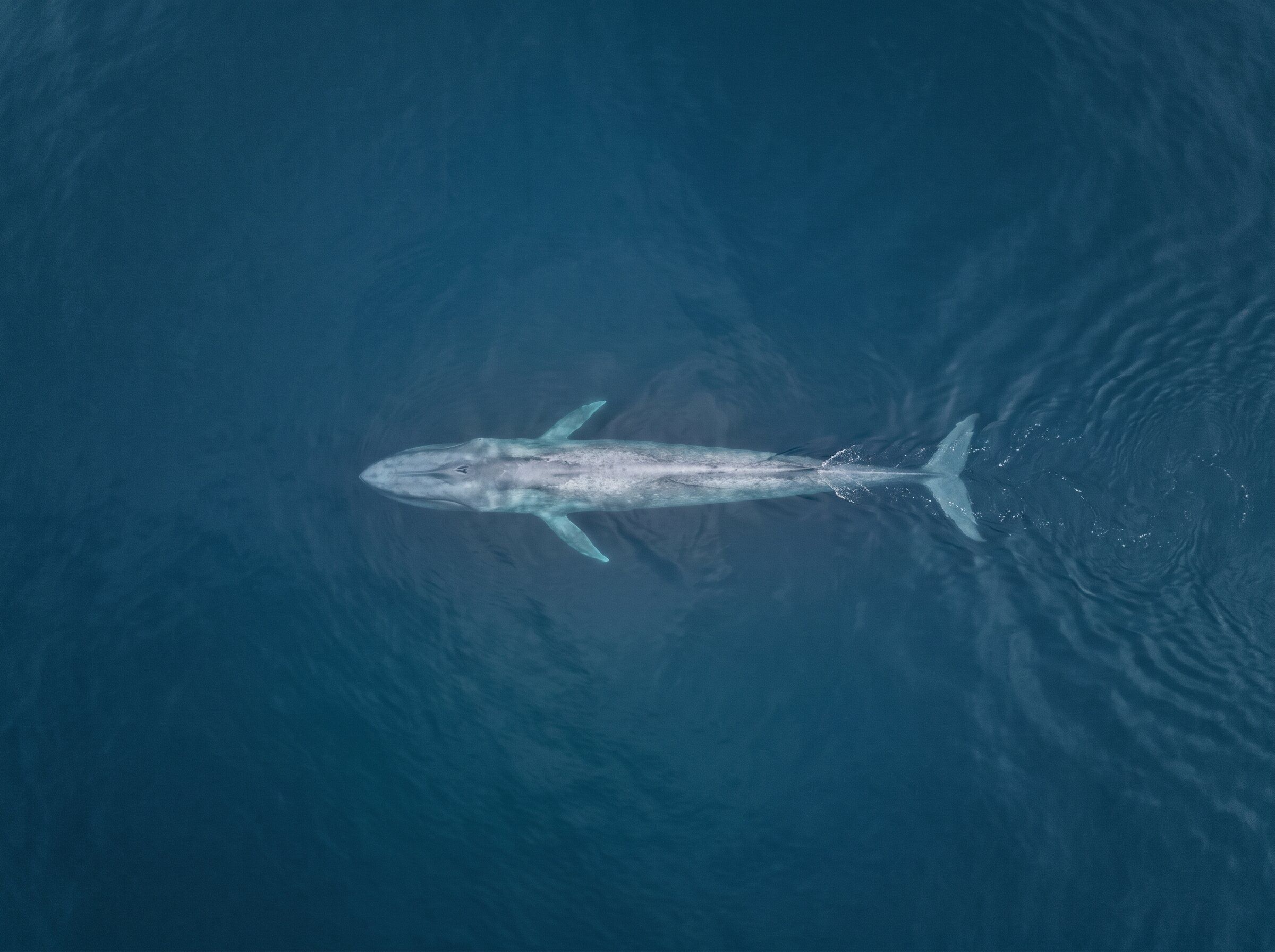
Gold, for slowing down.
Veritas received a Gold award for the 2024 season of the Protecting Blue Whales and Blue Skies programme, which recognises companies that voluntarily slow their ships to ten knots or less in speed reduction zones off the California coast. Slower ships mean cleaner air and fewer whale strikes.
Five commitments.
Protect our people
A safe, inclusive and empowering workplace at sea and ashore, with continuous training, fair labour practices and a zero incident mindset.
Safeguard the planet
Cleaner technology, better fuel efficiency, less waste and full compliance with ballast water treatment standards across the fleet.
Uphold transparency
Ethical governance, open dialogue with stakeholders and honest ESG reporting, held to strict standards of compliance and anticorruption.
Advance sustainable innovation
A steady transition toward low carbon fuels, upgraded vessel technology and operations guided by data.
Support communities
Scholarships, internships and philanthropic work that extend our impact beyond the sea.
The base year, in plain figures.
- 0Oil spills to the marine environment
- 100%Of vessels fitted with ballast water treatment
- 65%Crew retention rate
- $173,870Invested in crew training and development
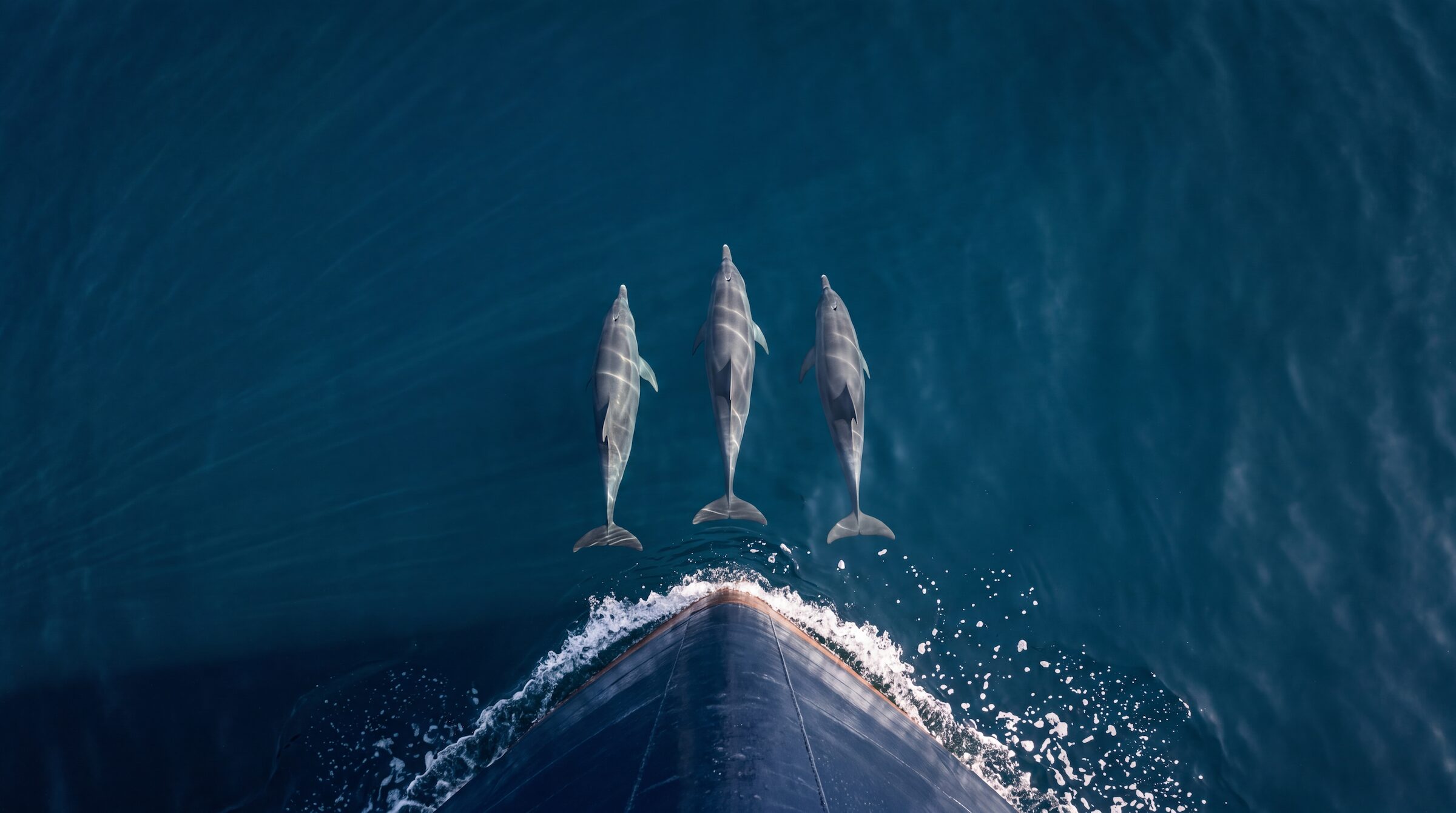
Where we are heading.
- 2025
- Increase safety training hours by 15 percent
- 2028
- Reduce the fleet’s Annual Efficiency Ratio by 10 percent
- Reduce operational waste emissions by 15 percent
- 2030
- A CII rating of C or better across 80 percent of the fleet
- Our first energy efficient or zero emission vessel
- Gender parity in onshore leadership
- Onshore waste emissions down by 25 percent
- 2035
- 30 percent of the fleet on low carbon fuels
How we get there.
Operational optimisation
Slow steaming, careful voyage planning and weather routing to cut fuel use and emissions.
Fuel transition
Exploring low carbon alternatives such as LNG and biofuels to reduce the fleet’s carbon intensity.
Technology upgrades
Energy saving technology, including air lubrication, propeller upgrades and engine efficiency improvements.
Continuous monitoring
Live monitoring of vessel performance, so inefficiencies are found and fixed early.
- GRI StandardsReported in accordance, 2023
- SASB Marine TransportationIndustry metrics, 2023
- IMO CII and GHG StrategyFleet monitored to a C rating or better
- Ballast Water Management ConventionThe whole fleet compliant
- UN SDG 14, Life Below WaterBiodiversity commitments
- Science Based Targets initiativePreparing to align